Teaching portfolio
I have kept a portfolio every year since joining the International School of Nanshan Shenzhen in 2022. This page is the public summary. Student work, lesson observations and school documents are kept private, and I can share them with a school on request.
In the classroom
A course where each step unlocks the next
I rebuilt my DP Chemistry course on Moodle around the new syllabus (Structure 1 to 3, Reactivity 1 to 3). Each topic has content files, video lessons and a quiz. Some sequences are gated: in the gas laws unit, a student watches three short videos, completes a worksheet and then posts an answer to the class forum, and each step opens only when the one before is done.
The internal assessment has its own staged guide, from research question through to evaluation and a final checklist.
One set of tools across four classes
I taught four chemistry classes that year, from Grade 9 MYP to Grade 12 DP. I set up the same structure for every class: Moodle for content and quizzes, a Notion page per class for notes and planning, Revision Village for exam practice and Kahoot for quick recall. Students do not have to learn a new system each August.
My own rating against the ISTE standards that year was honest about the gap: I had not yet taught students to set their own goals with these tools. The following year I added a reflection and goal-setting quiz to the course.
Recorded lessons, planned with UDL and differentiation
I recorded a four-part series on the mole concept for Grade 11, three videos on chemical bonding and one on atomic structure and periodicity for Grade 9, and a hybridisation lesson for Grade 12 HL students before their final examinations.
Two ideas sit behind the design. The first is from Universal Design for Learning (CAST, 2024): the same explanation should be available in more than one form. A student has the live lesson, a video to pause and replay at their own pace, and for the mole concept a worksheet in both an empty and a completed version. The second is differentiation by readiness (Tomlinson, 2014). The Grade 9 bonding topic is cut into three short parts for students meeting it for the first time, whereas the hybridisation video is an extension made for HL students.
It must be noted that the videos do not have captions yet, which matters in a class where most students learn in a second language, and I have no data showing they raised grades. The recordings are kept on the school's system and I can share them with a school on request.
Learning the school by watching colleagues
In my first year I observed five colleagues teach, from Grade 7 science to Grade 12 DP Physics and Grade 11 DP Biology, and wrote a reflection on each. My goal that year was to become more familiar with student-centred methods and to use them in my own lessons.
Assessment and feedback
A daily exit ticket
Every DP lesson ends with a short Moodle quiz drawn from a bank of ten questions. The questions ask what the student understood, what helped, and what they would like explained again. Across 40 teaching weeks that is 200 exit tickets.
The value is in the next lesson. If many students report that an idea did not make sense, I start there the following day. This follows Black and Wiliam (1998), who argue that evidence gathered during teaching only counts as formative when it changes what the teacher does next.
AI feedback with a teacher gate
Revision Village can generate written feedback on a student's answer. I review and approve each piece before the student sees it. I also ask an AI model to score extended essay drafts on Criteria B, C and D after I have marked them myself, and compare the two. Where we disagree I reread the essay.
The AI is a second reader. The mark that goes to the student is mine.
Bringing examiner standards into my own marking
I examine IB Chemistry Paper 2 and extended essays. Marking scripts from other schools shows which answers earn the mark and which only sound right. I use that when I write model answers and when I explain to a student why a response scored 2 out of 4.
A revision plan for one student who was struggling
One DP Chemistry student was falling behind before the final examinations. I wrote a personal revision schedule, met the parents so that home and school were asking for the same thing, and gave extra consultation time outside lessons.
Using practice data to step in early
Revision Village records how long a student spends on each question and how many attempts they make. I used this to find students who were slow on a topic before the test showed it, and to return feedback sooner than I could by hand.
Research
Does role play help students learn abstract chemistry?
My Doctor of Education research tested role play with 78 of my own students. In Grade 9, 44 students learned reaction types through role play and 22 through conventional teaching. In Grade 12, 12 students used role play for nucleophilic substitution mechanisms and were tested before and after.
The results were different for the two age groups. Grade 9 students were highly engaged, but the gain in achievement over the conventional class was negligible (d = 0.022). Grade 12 students made very large gains (dz = 1.209, p = .002). English proficiency also predicted achievement, which matters in a school where most students learn in a second language.
It must be noted that the Grade 12 group was small and had no comparison class. The findings now inform how I pitch active-learning strategies across MYP and DP. A lively activity is not evidence that the activity is working.
Read the article in the Journal of Educational Leadership and Innovation, 3(1), 2026
Instructional techniques within STEM education
An article for the EARCOS Tri-Annual Journal on the techniques I was using in chemistry lessons. Writing it left me with the question my doctoral study later tested: which techniques produce engagement without learning.
Working with colleagues
Mentoring a PGCE trainee
I am the school mentor for a colleague on the University of Sunderland PGCE. This involves observing lessons, giving feedback on planning and holding regular reflective meetings against the programme's standards.
Interactive chemistry resources for the department
I built a set of single-file interactive pages for ideas that are hard to draw on a board, such as Bohr models, separation techniques and reaction mechanisms. Each one opens in any browser with nothing to install, and I shared them with the science department.
Annotated marking rubrics
Using chief examiner reports, I produced annotated rubrics for the Chemistry and Physics internal assessments and the Biology extended essay and shared them with the science team.
Professional collaboration groups
I took part in the school's collaboration groups in both years, with a written record of each meeting.
IB roles and professional learning
Programme evaluation team leader
I led the evaluation team for an IB World School's programme evaluation visit. The work is done against the IB Programme Standards and Practices, and the findings belong to the school and the IB, hence they are not published here.
IB Educator Network training
I completed the 80-hour Workshop Leader training (October to November 2024) and the 40-hour Evaluation Leader training (March to April 2025).
UK Qualified Teacher Status
I gained QTS in Chemistry for ages 11 to 18 through the University of Sunderland Assessment Only route in December 2023, after six observed lessons and two university assessments against the UK Teachers' Standards.
Examining
IB Diploma Chemistry examiner since 2017 (Paper 2 and extended essays) and Cambridge International A Level Chemistry examiner since 2019.
Beyond the classroom
Badminton coaching
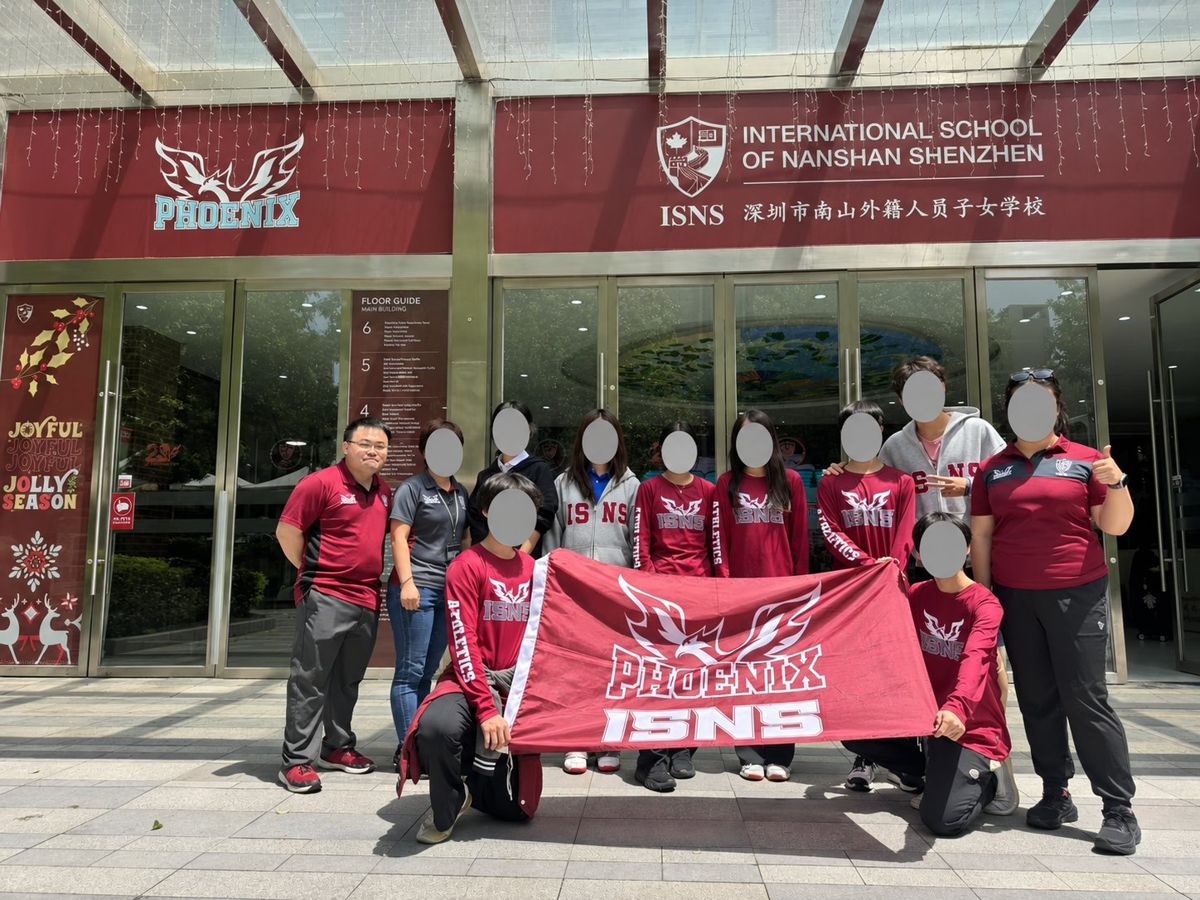
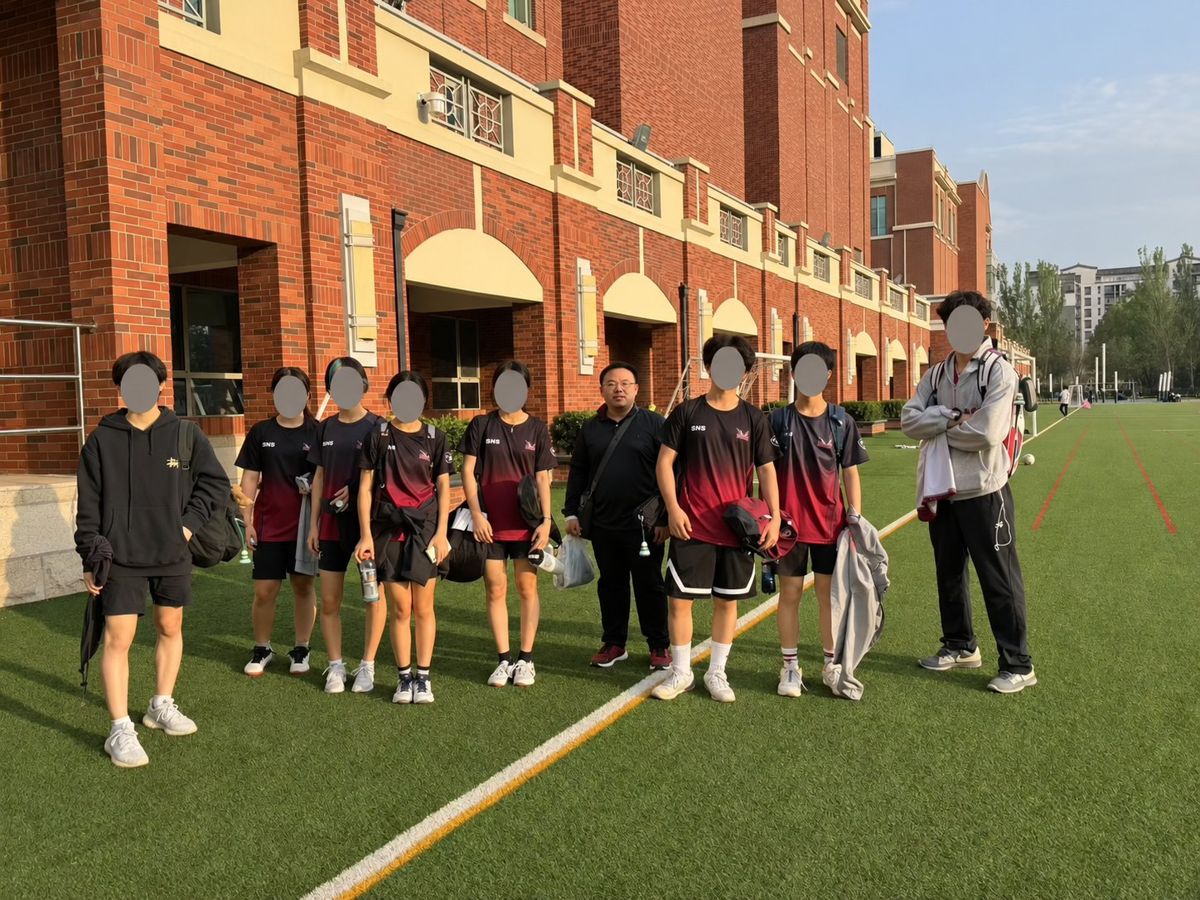
I coach the middle and high school badminton teams and took them to the ACAMIS Shield tournament. I started in 2023 as an assistant coach for the advanced players, training on Fridays over an eight-week season.
That first season I had to deal with one player's discipline. I explained to him that strong character has to come with skill and fitness, and I have kept that as part of how I coach.
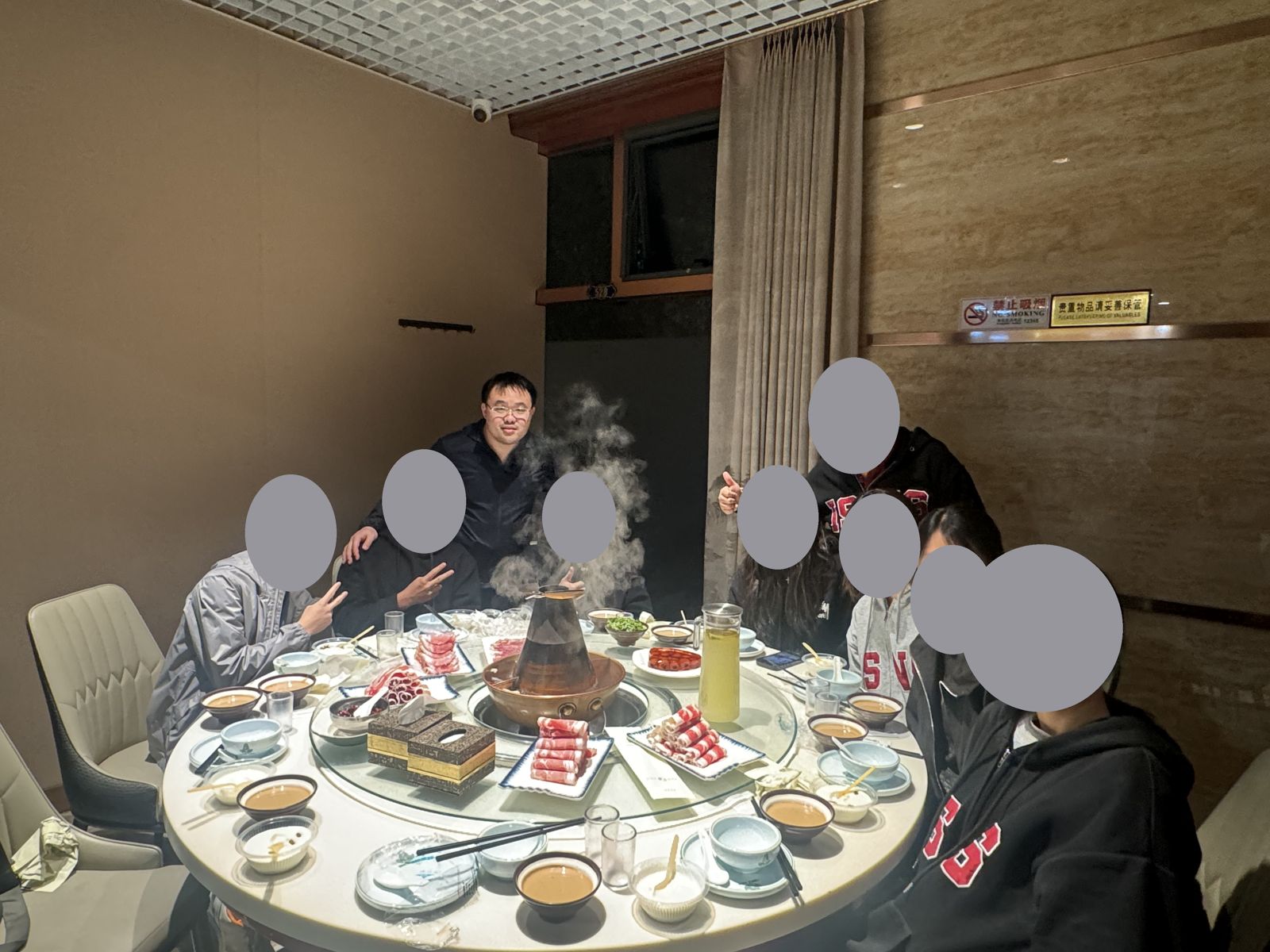
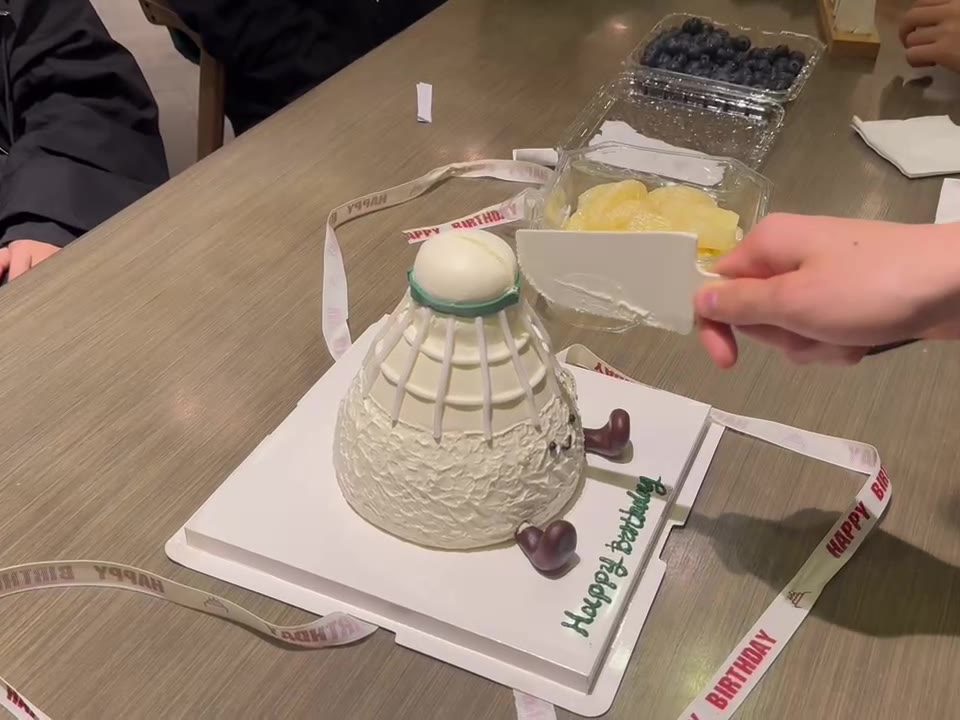
After the ACAMIS competition I took the team out for a meal. Time together away from the court is part of how a squad becomes a team.
Week Without Walls, Grade 10
I travelled with the Grade 10 cohort as a supervising teacher. The role is pastoral more than instructional. Eating, walking and solving small problems alongside students builds a relationship that a timetable does not.
Supervision and other duties in my first year
I supervised a chemistry extended essay, an MYP personal project on building a website and a Grade 8 design project, and coached middle school volleyball.
On a Grade 9 trip to a design school, the students were restless during the talk. I rephrased the presenter's questions into smaller ones and the students started answering. I now brief students on the purpose of a trip before we leave.
References
- Black, P. and Wiliam, D. (1998) 'Inside the black box: raising standards through classroom assessment', Phi Delta Kappan, 80(2), pp. 139–148.
- CAST (2024) Universal Design for Learning Guidelines version 3.0. Available at: https://udlguidelines.cast.org
- Lee, S. (2026) 'Role-playing as a teaching strategy in IB Chemistry: a mixed-method study', Journal of Educational Leadership and Innovation, 3(1). Available at: https://ejournal.ucf.edu.my/index.php/jeli1/article/view/26
- Tomlinson, C.A. (2014) The differentiated classroom: responding to the needs of all learners. 2nd edn. Alexandria, VA: ASCD.
Want to see more?
I can share lesson observation reports, sample resources and references with a school on request.